

Unexpected expenses can happen at any time. Whether it's a major equipment repair, a sudden medical expense, or a temporary drop in income, financial emergencies often arrive without warning. An emergency fund provides a financial safety net that helps you navigate these situations without relying on credit cards, loans, or personal debt.
What Is an Emergency Fund?
An emergency fund is money that is set aside specifically for unexpected expenses or financial emergencies. Unlike regular savings accounts used for planned purchases, an emergency fund is reserved for situations you cannot predict and need to address quickly.
The primary purpose of an emergency fund is to provide immediate access to cash when unforeseen circumstances arise. Having these funds available can make the difference between a temporary setback and a long-term financial challenge.
Why Is an Emergency Fund Important?
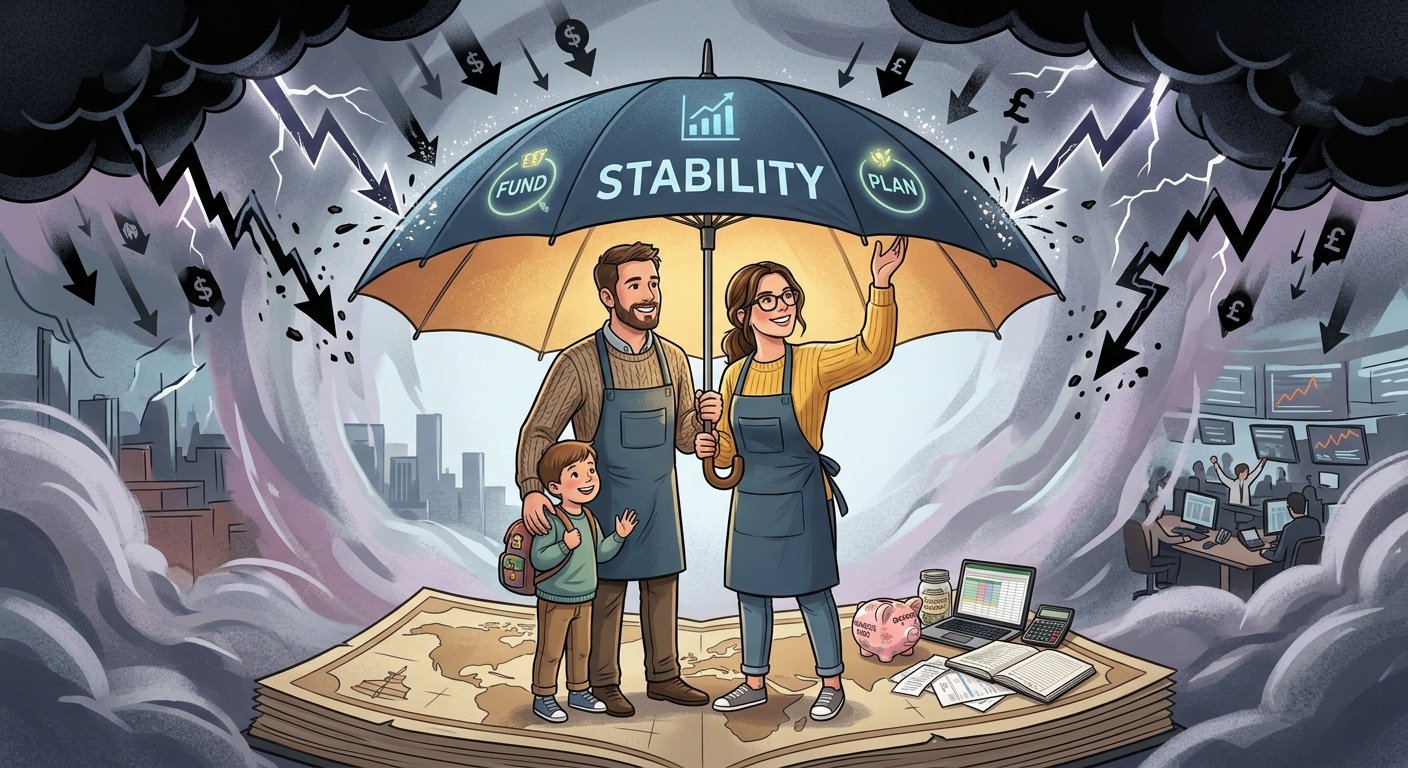
Life and business are full of uncertainties. Equipment can break down, vehicles can require repairs, medical expenses can arise, and economic conditions can change unexpectedly.
An emergency fund helps by:
Reducing financial stress during difficult situations
Preventing the need to take on debt
Protecting your personal and business assets
Providing greater financial stability and peace of mind
Allowing you to focus on solutions instead of immediate financial concerns
Without emergency savings, many individuals and business owners are forced to rely on high-interest credit cards or loans to cover unexpected costs. An emergency fund helps you avoid these costly alternatives.
How Much Should You Save?
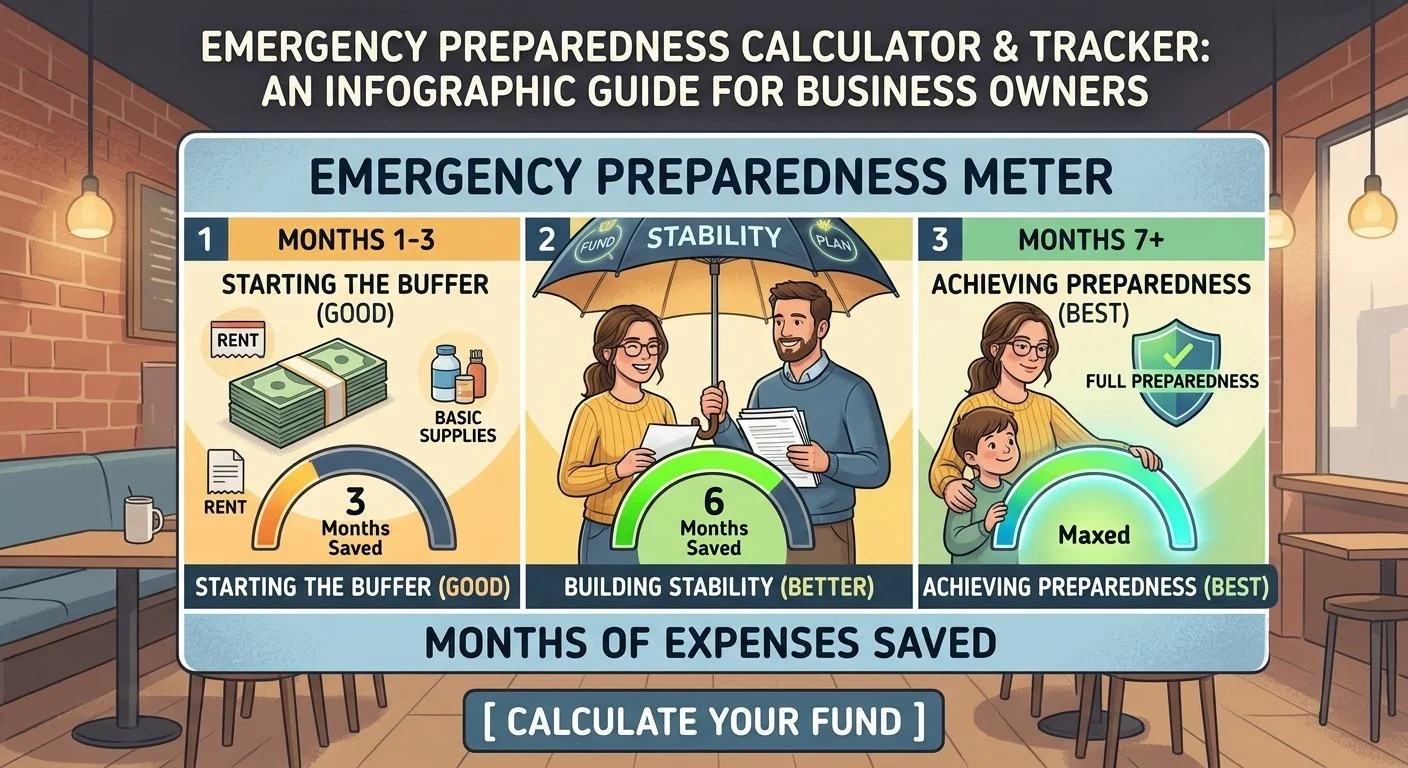
Financial experts typically recommend saving enough money to cover three to six months of living expenses. This amount provides a cushion that can help support you through events such as:
Job loss
Unexpected medical costs
Major home repairs
Vehicle repairs
Temporary business interruptions
The right amount will vary based on your personal circumstances, income stability, and financial responsibilities.
How to Start Building an Emergency Fund

Creating an emergency fund doesn't have to happen overnight. Even small, consistent contributions can grow into a substantial safety net over time.
Here are a few simple steps to get started:
1. Open a Dedicated Savings Account
Keep your emergency savings separate from your everyday spending account. This helps reduce the temptation to use the money for non-emergency purposes.
2. Automate Your Savings
Set up automatic transfers from your checking account into your emergency fund. Consistency is often more important than the amount.
3. Start Small
Don't wait until you can save a large amount. Begin with manageable contributions and increase them as your financial situation improves.
4. Consider a High-Yield Savings Account
A high-yield savings account can help your money grow while still keeping it accessible when needed.
When Should You Use Your Emergency Fund?
An emergency fund should only be used for genuine emergencies, such as:
✅ Unexpected medical expenses
✅ Major home or vehicle repairs
✅ Job loss or reduced income
✅ Essential business expenses during a financial downturn
It should not be used for discretionary spending such as vacations, entertainment, or impulse purchases. After using any portion of your emergency savings, make replenishing the fund a priority.
Final Thoughts

An emergency fund is one of the most important components of a healthy financial plan. It provides stability during uncertain times and helps protect both your personal finances and your business from unexpected disruptions.
By consistently setting money aside and maintaining a dedicated emergency savings account, you'll be better prepared to handle life's surprises with confidence. The peace of mind that comes from having a financial safety net is invaluable and can help you stay focused on achieving your long-term goals.