
The Foundation of Growth: An Introduction to Bookkeeping
Bookkeeping is essential for every business, regardless of size or industry. It involves tracking all financial transactions, recording them consistently, and maintaining records that are easy to analyze.
Proper bookkeeping helps businesses make informed decisions, manage cash flow efficiently, and comply with tax laws.
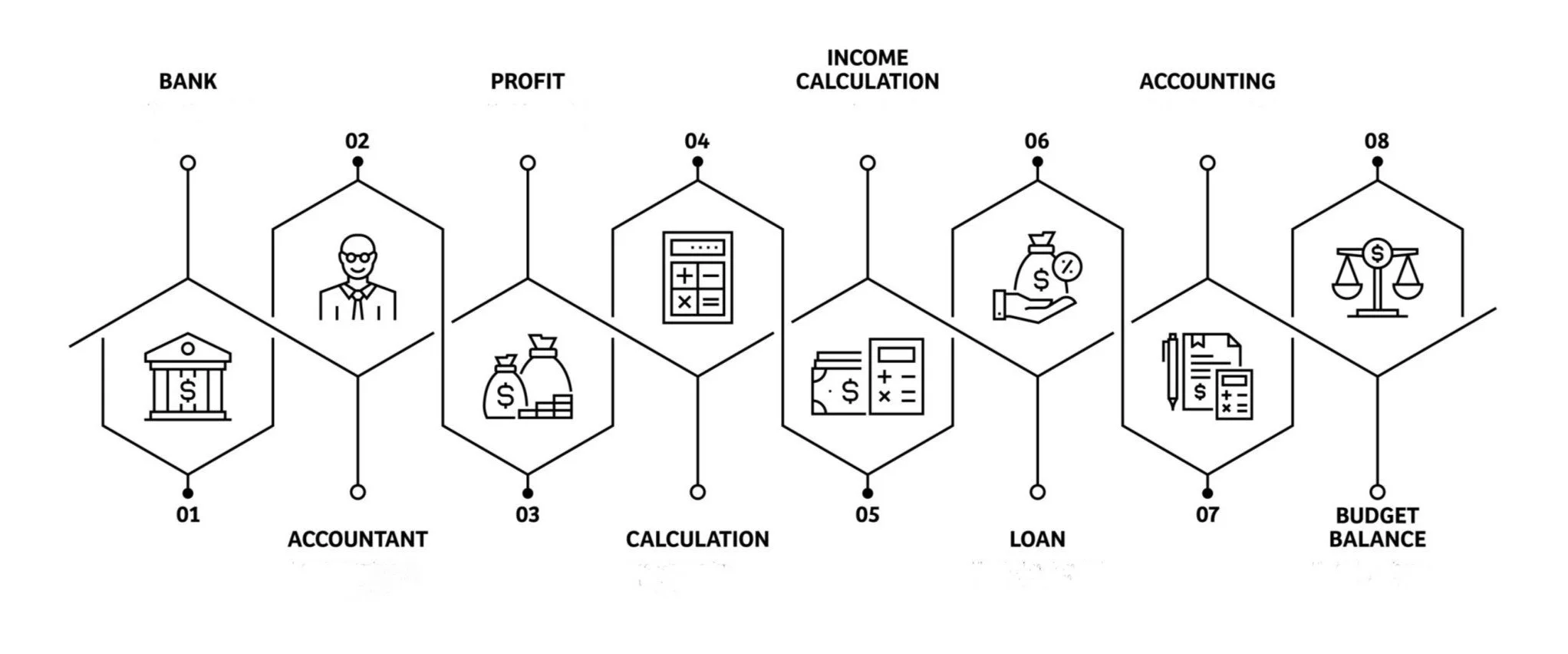
What Does the Bookkeeping Process Involve?
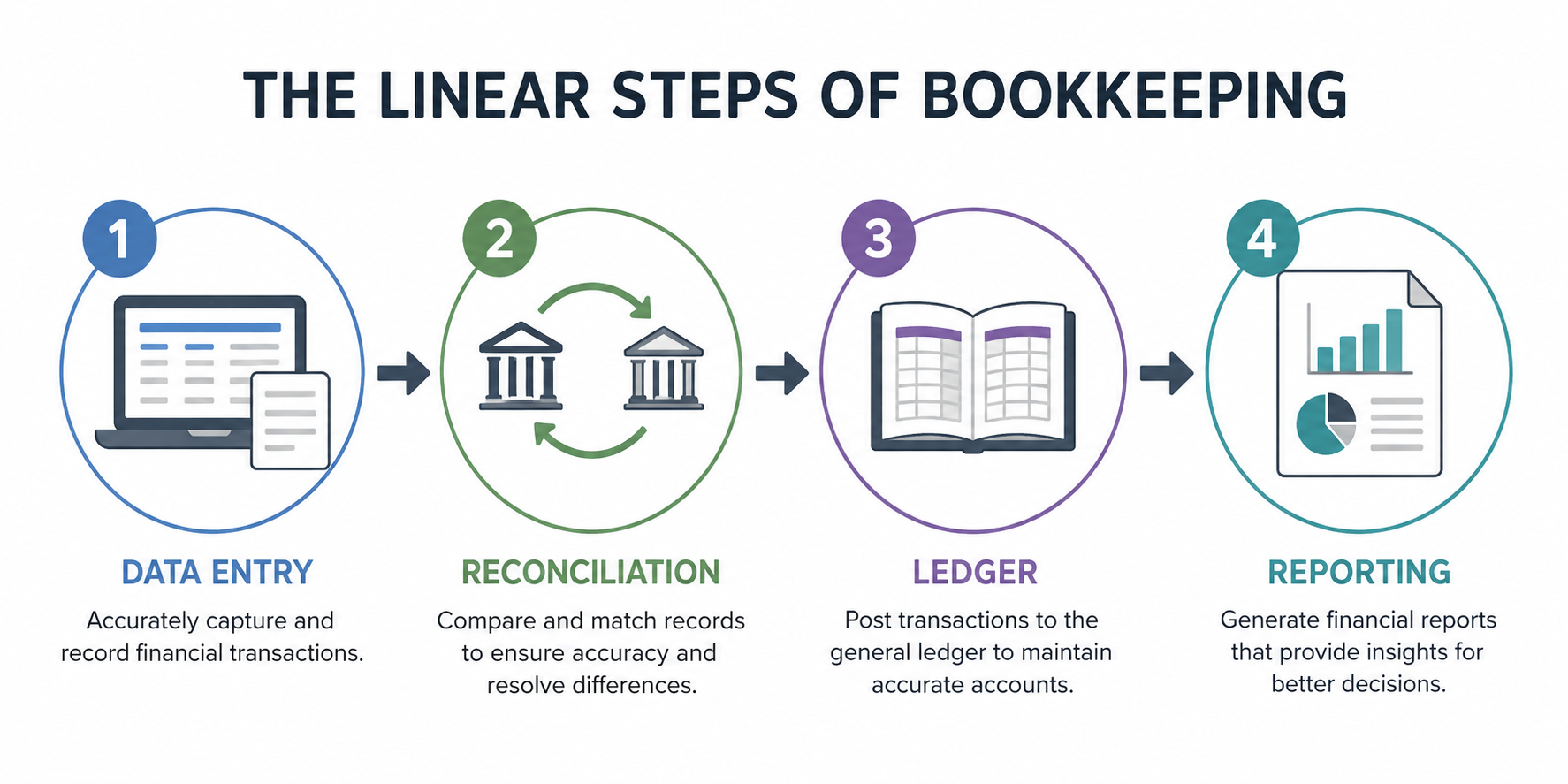
The primary purpose of bookkeeping is to build a transparent map of a business's financial health. The daily and weekly process typically requires:
Documenting Transactions: Tracking all incoming revenue, outgoing expenses, assets, and liabilities.
Ledger Management: Recording these entries consistently within a ledger or accounting software.
Bank Reconciliation: Matching internal financial records directly against bank statements to ensure zero discrepancies.
Financial Reporting: Generating clear statements that illustrate the real-time financial health of the company.
3 Reasons Why Accurate Bookkeeping is Non-Negotiable
1. Strategic Cash Flow Management
By closely tracking income and expenses, businesses can pinpoint exact operational areas where they are overspending. This insight reveals immediate opportunities to save money and optimizes monthly cash runways.
2. Data-Driven Decision Making
Accurate data highlights operational trends, monitors historical progress, and removes guesswork from future investments or expansions. It allows leadership to forecast cash flow and safely plan long-term strategic moves.
[ Financial Data ] ──> [ Trend Analysis ] ──> [ Informed Expansion & Investment ]
3. Total Tax Compliance & Optimization
Businesses are legally mandated to report accurate income and expenses to tax authorities. Proper records eliminate the risk of costly penalties, streamline audit processes, and ensure the business maximizes its legal tax deductions.

How to Maintain Reliable Financial Records
To build long-term stability, financial tracking cannot be an afterthought. It must be performed regularly and consistently.
Waiting until the end of the year to log receipts leads to errors, missed deductions, and operational blind spots. Whether you utilize automated accounting software or manual ledgers, consistency is the key to maintaining an audit-ready business.
Need Help Overhauling Your Financial Tracking?
Bookkeeping is a critical pillar of your company's financial stability and competitive edge. If managing your daily ledgers is taking time away from growing your core business, seeking professional support is a smart strategic move.
Contact Our Professional Bookkeeping Team Today to secure expert advice and ensure your financial records stay accurate, compliant, and up-to-date.